


Polynucleotides Explained: Benefits, Results & Why They're Transforming Skin Rejuvenation
The world of aesthetic medicine is constantly evolving, with innovative treatments emerging that focus on improving skin health rather than simply masking the signs of ageing. One of the most exciting developments in recent years has been the rise of polynucleotides.
Praised by dermatologists, aesthetic practitioners and patients alike, polynucleotides have rapidly become one of the most talked-about regenerative treatments available today. Unlike treatments that focus solely on adding volume or relaxing muscles, polynucleotides work at a cellular level to help the skin repair, regenerate and restore itself naturally.
But what exactly are polynucleotides, how do they work, and why are so many people choosing them as part of their skin rejuvenation journey?
What Are Polynucleotides?
Polynucleotides are highly purified chains of nucleotides, the building blocks of DNA. In aesthetic medicine, these naturally derived molecules are used to stimulate the body's own regenerative processes.
When injected into the skin, polynucleotides create an optimal environment for tissue repair and regeneration. They encourage cellular renewal, improve hydration, stimulate collagen production and help combat oxidative stress, all of which contribute to healthier and more youthful-looking skin.
Rather than changing your appearance, polynucleotides aim to improve the quality and function of the skin itself. This regenerative approach is one reason why many practitioners view polynucleotides as part of the future of aesthetic medicine.

How Do Polynucleotides Work?
One of the key reasons for the growing popularity of polynucleotides is their ability to stimulate fibroblasts.
Fibroblasts are specialised cells responsible for producing collagen and elastin, two proteins that play a crucial role in maintaining firm, youthful skin.
As we age, collagen production naturally declines. This contributes to:
Fine lines and wrinkles
Reduced skin elasticity
Skin laxity
Thinner skin
Dullness and dehydration
Polynucleotides help reactivate fibroblast activity, encouraging the production of new collagen and elastin over time. They also improve microcirculation and hydration levels within the skin, creating a healthier environment for long-term skin rejuvenation.
Why Is Collagen So Important?
Collagen is often described as the scaffolding that supports the skin. During our twenties, collagen production begins to decrease gradually. By the time many people reach their forties and fifties, significant collagen loss has occurred.
This loss contributes to visible signs of ageing such as:
Sagging skin
Wrinkles
Hollowing of the face
Loss of firmness
Changes in skin texture
Many aesthetic treatments attempt to compensate for this loss. Polynucleotides take a different approach by helping the skin produce more collagen naturally. This means improvements continue to develop over time, often resulting in more subtle and natural-looking outcomes.
What Skin Concerns Can Polynucleotides Address?
Polynucleotides are highly versatile and can be used to improve a wide range of skin concerns.
Fine Lines and Wrinkles
By stimulating collagen production, polynucleotides can help soften fine lines and improve skin texture.
Under-Eye Rejuvenation
The delicate skin beneath the eyes is one of the most popular treatment areas.
Many patients seek treatment for:
Crepey skin
Fine lines
Dark circles
Tired-looking eyes
Polynucleotides can improve skin quality in this delicate area without adding unnecessary volume.
Skin Dehydration
Healthy skin requires adequate hydration. Polynucleotides help improve the skin's ability to retain moisture, leading to a fresher and more radiant appearance.
Acne Scarring
Some patients experience improvements in the appearance of certain acne scars due to enhanced tissue regeneration and collagen stimulation.
Skin Laxity
As collagen levels increase, many patients notice firmer, tighter skin over time.
Polynucleotides vs Dermal Fillers
One of the most common questions patients ask is whether polynucleotides are better than dermal fillers.
The reality is that they serve different purposes. Dermal fillers are designed to restore volume and contour specific areas of the face. They provide immediate results by physically filling space beneath the skin.
Polynucleotides do not add volume. Instead, they improve skin quality by stimulating repair and regeneration. Many patients choose both treatments as part of a comprehensive facial rejuvenation plan.
Polynucleotides vs Skin Boosters
Polynucleotides are also frequently compared to skin boosters.
Skin boosters primarily focus on improving hydration and skin glow.
Polynucleotides offer hydration benefits but also stimulate tissue repair and collagen production. For this reason, many practitioners consider them a more regenerative treatment option.
Patients interested in improving skin hydration may also find our article on skin boosters helpful:https://www.donnybrookclinic.com/post/skin-boosters-ten-powerful-benefits
Who Is a Good Candidate for Polynucleotides?
Polynucleotides can be suitable for a wide range of individuals.
They are often chosen by people who:
Want natural-looking results
Are noticing early signs of ageing
Want to improve skin quality
Prefer regenerative treatments
Have sensitive or fragile skin
Wish to complement other aesthetic procedures
Because the treatment focuses on skin health rather than dramatic cosmetic change, it appeals to both younger and older patients.
What Happens During Treatment?
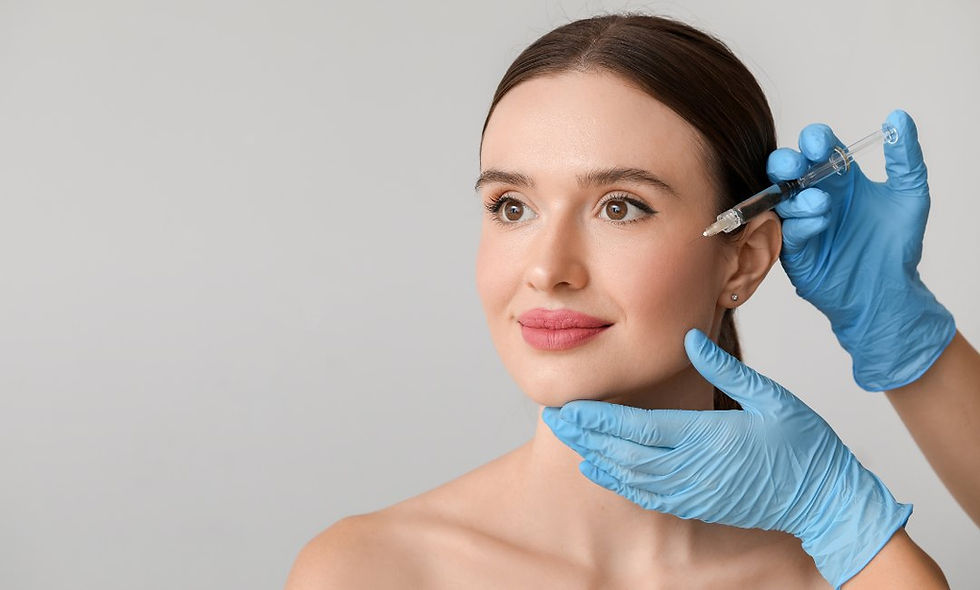
Treatment typically involves a series of small injections placed into targeted areas of the skin.
The procedure is relatively quick and usually takes less than an hour.
Most patients can return to normal daily activities shortly afterwards.
Temporary side effects may include:
Mild redness
Slight swelling
Tenderness at injection sites
These effects generally resolve within a few days.
How Long Does It Take to See Results?
Unlike traditional fillers, results from polynucleotides develop gradually.
This is because collagen production takes time.
Patients often notice improvements in hydration and skin quality within a few weeks, while collagen-related improvements continue to develop over several months.
The gradual nature of the treatment is often considered one of its biggest advantages because results appear natural rather than sudden.
Can Polynucleotides Be Combined with Other Treatments?
Yes. Many patients achieve the best outcomes when polynucleotides are incorporated into a broader skin rejuvenation plan.
Popular complementary treatments include:
Aqua3 HydraFacial
Skin boosters
Medical-grade skincare
Collagen-stimulating treatments
At Donnybrook Clinic, we often combine regenerative treatments with procedures such as:https://www.donnybrookclinic.com/aqua-3-hydrafacial
Patients interested in advanced regenerative aesthetics may also wish to learn more about:https://www.donnybrookclinic.com/sunekos200
Why Are Polynucleotides Becoming So Popular?
The increasing popularity of polynucleotides reflects a broader shift within aesthetic medicine.
Many patients no longer want treatments that simply conceal ageing. Instead, they are looking for procedures that improve the health and quality of their skin.
Polynucleotides align perfectly with this philosophy.
They work with the body's natural regenerative processes, stimulate collagen production and support long-term skin health.
As awareness continues to grow, many experts expect polynucleotides to remain one of the fastest-growing treatments in aesthetic medicine.
Final Thoughts
Polynucleotides represent a new generation of regenerative aesthetic treatments focused on restoring skin health from within.
By stimulating collagen production, improving hydration and supporting tissue repair, they offer a unique approach to skin rejuvenation that differs significantly from traditional fillers and many other injectable treatments.
Whether your goal is to improve skin texture, reduce signs of ageing, rejuvenate the under-eye area or simply achieve healthier-looking skin, polynucleotides provide an exciting option worth considering.
As regenerative medicine continues to shape the future of aesthetics, polynucleotides are likely to remain at the forefront of innovative, natural-looking skin rejuvenation treatments.


Comments