


Hooded Eyelids Treatment: What Really Works for a Brighter, More Youthful Look?
If you’ve been searching for hooded eyelids treatment, you’re not alone. Hooded eyelids are one of the most common cosmetic concerns we see at Donnybrook Clinic. They can make the eyes look tired, heavy or older than you feel, and in some cases, they can even affect vision.
The good news? There are effective treatment options available. In this guide, we’ll explain:
What hooded eyelids actually are
Why they develop
Non-surgical treatments (and their limitations)
Why upper blepharoplasty is considered the gold standard solution
What to expect from treatment
If you’re considering a long-term solution, this article will help you make an informed decision.

What Are Hooded Eyelids?
Hooded eyelids occur when excess skin from the upper eyelid folds downward over the natural crease. This creates a “hooded” appearance that can:
Make eyes appear smaller
Cause makeup to smudge or disappear
Create a permanently tired or heavy look
In more severe cases, interfere with peripheral vision
It’s important to distinguish hooded eyelids from drooping eyelids (ptosis). Hooding is caused by excess skin, whereas ptosis involves weakened eyelid muscles.
What Causes Hooded Eyelids?
Several factors can contribute to hooded eyelids:
1. Natural Ageing
As we age, collagen and elastin production declines. Skin loses firmness and begins to sag — especially in delicate areas like the eyelids.
2. Genetics
Some people naturally have hooded eyelids from a young age. If your parents have hooded lids, there’s a strong chance you may develop them too.
3. Sun Damage
UV exposure accelerates skin laxity and collagen breakdown, worsening hooding over time.
4. Skin Laxity & Volume Changes
Fat redistribution and thinning skin can exaggerate the hooded appearance.
Understanding the cause helps determine the most effective hooded eyelids treatment.

Non-Surgical Hooded Eyelids Treatment Options
Many patients initially look for non-invasive solutions. While these can help mildly, it’s important to set realistic expectations.
Anti-Wrinkle Injections
Strategic anti-wrinkle injections can slightly lift the brow by relaxing the muscles that pull it downward. This is often called a “brow lift effect.”
At Donnybrook Clinic, our injectable treatments are tailored to preserve natural facial expression. Learn more about our approach to anti-wrinkle injections.
Limitations:
Results are subtle
Temporary (3–4 months)
Cannot remove excess eyelid skin
Dermal Fillers
In some cases, adding volume to the brow or temple area can create structural support that reduces heaviness.
Explore our dermal filler treatments to understand how volume restoration works.
Limitations:
Does not address skin redundancy
Temporary
Not suitable for significant hooding
Skin Tightening Treatments
Radiofrequency and collagen-stimulating treatments can improve skin quality. For example, advanced treatments such as Morpheus8 help remodel collagen and tighten skin.
Limitations:
Mild tightening only
Best for early or minimal laxity
Cannot remove excess skin
Why Upper Blepharoplasty Is the Gold Standard Hooded Eyelids Treatment
When there is genuine excess skin, no cream, injection or device can remove it. That’s where upper blepharoplasty comes in.
Upper blepharoplasty is a surgical procedure that removes excess skin (and sometimes small amounts of fat) from the upper eyelid. It is widely regarded as the most effective and long-lasting hooded eyelids treatment.
What Upper Blepharoplasty Can Achieve:
Removes redundant skin
Restores a defined eyelid crease
Opens up the eye area
Improves symmetry
Creates a refreshed, natural look
May improve visual obstruction
Unlike temporary treatments, blepharoplasty addresses the root cause of hooding.
Who Is a Good Candidate for Hooded Eyelids Surgery?
You may be suitable for upper blepharoplasty if:
You have visible excess upper eyelid skin
Your eyelids feel heavy
Makeup disappears into the fold
You appear tired even when well rested
You are in good general health
During consultation at Donnybrook Clinic, Dr Sami Hameid will assess facial proportions, brow position and skin quality to ensure surgery is the correct solution.
What Happens During Upper Blepharoplasty?
The procedure is typically performed under local anaesthetic.
Step-by-Step Overview:
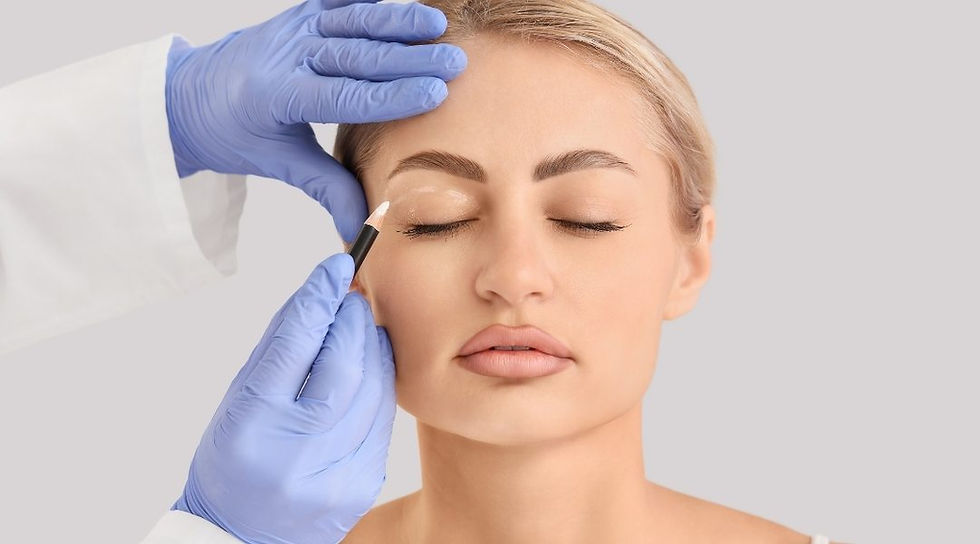
Precise markings are made in the natural eyelid crease
A small incision is placed along this crease
Excess skin is carefully removed
The incision is closed with fine sutures
Because the incision sits in the natural crease, scarring is usually minimal and discreet.

Recovery After Hooded Eyelids Treatment
Recovery is generally straightforward.
What to Expect:
Mild swelling and bruising (7–10 days)
Stitches removed after around one week
Most patients return to work within 7–10 days
Final results settle over several weeks
We provide detailed aftercare instructions to ensure optimal healing.
How Long Do Results Last?
One of the biggest advantages of upper blepharoplasty as a hooded eyelids treatment is longevity.
Results typically last many years. While the natural ageing process continues, most patients do not require repeat surgery for a long time.
Compared to injectables that require maintenance every few months, blepharoplasty offers a long-term structural solution.
Does Upper Blepharoplasty Look Natural?
This is one of the most common concerns.
When performed conservatively and with facial harmony in mind, upper blepharoplasty should never look “overdone.” The goal is not to change your identity — it is to restore a fresher version of you.
At Donnybrook Clinic, we prioritise subtle, natural results that enhance your features rather than alter them.
Hooded Eyelids vs Brow Sagging: Why Assessment Matters
Sometimes what appears to be hooded eyelids is actually brow descent. In these cases, treating only the eyelid may not produce the desired result.
That’s why a full facial assessment is essential. In some patients, combining treatments (for example, surgical eyelid correction alongside skin rejuvenation such as Aqua 3 HydraFacial for skin quality) can optimise overall results.
Are There Risks?
As with any surgical procedure, there are risks, including:
Temporary dryness
Asymmetry
Infection (rare)
Delayed healing
Choosing an experienced medical team significantly reduces these risks. A thorough consultation ensures you understand both benefits and potential complications before proceeding.

Choosing the Right Clinic for Hooded Eyelids Treatment
When researching hooded eyelids treatment, look for:
A clinic with surgical expertise
Before and after examples
Transparent consultation process
Clear explanation of risks and recovery
At Donnybrook Clinic, patient safety and personalised care are central to everything we do.
If you’re unsure whether surgery is necessary, we will advise honestly. In some cases, non-surgical treatments may be more appropriate — and we will guide you accordingly.
Final Thoughts: What Is the Best Hooded Eyelids Treatment?
If your concern is mild, non-surgical treatments may offer temporary improvement. However, for moderate to severe hooding caused by excess skin, upper blepharoplasty remains the most effective and long-lasting treatment for hooded eyelids available. The key is accurate diagnosis and a personalised plan.
Frequently Asked Questions
1. Can exercises fix hooded eyelids?
No. While facial exercises may strengthen muscles, they cannot remove excess skin.
2. Can Botox lift hooded eyelids?
Botox can create a subtle brow lift in mild cases, but it cannot remove skin.
3. Is hooded eyelid surgery painful?
The procedure is performed under local anaesthetic, and most patients report minimal discomfort.
4. How do I know if I need surgery?
If excess skin is clearly visible and folds over the crease, surgery is usually the only definitive solution.


Comments