


Why We Lose Collagen as We Age (What You Can Do About It)
If you've ever researched anti-ageing treatments, skin rejuvenation or aesthetic procedures, you've probably come across the word "collagen". It is often described as the foundation of youthful skin—and for good reason.
Collagen is the most abundant protein in the human body and plays a crucial role in maintaining skin firmness, elasticity and strength. However, collagen production naturally declines as we age, leading to visible changes in the skin that many people associate with ageing.
The good news is that while collagen loss is inevitable, there are ways to support and stimulate collagen production. Understanding how collagen works and what influences its decline can help you make informed decisions about skincare, lifestyle choices and aesthetic treatments.

What Is Collagen?
Collagen is a structural protein found throughout the body, including the skin, bones, muscles, tendons and ligaments.
Think of collagen as the framework that helps keep skin firm, smooth and resilient. It provides support to the skin's structure and works alongside elastin, another important protein responsible for skin elasticity.
When collagen levels are high, the skin tends to appear:
Firmer
Smoother
More hydrated
More elastic
More youthful
As collagen production slows down, the skin gradually loses some of these qualities.
What Happens to Collagen as We Age?
Collagen production begins to decline surprisingly early. Research suggests that from our mid-to-late twenties onwards, collagen production decreases by approximately 1% per year. While this reduction may seem small initially, the cumulative effect becomes increasingly noticeable over time.
By the time many people reach their forties and fifties, collagen loss can significantly affect the appearance and structure of the skin.
Common signs of declining collagen include:
Fine lines and wrinkles
Reduced skin firmness
Sagging skin
Thinning skin
Loss of facial volume
Slower wound healing
Dull or tired-looking skin
These changes are a normal part of the ageing process, but various external factors can accelerate collagen breakdown.
What Causes Collagen Loss?
Ageing is only one piece of the puzzle. Several lifestyle and environmental factors can contribute to reduced collagen production and increased collagen degradation.
Sun Exposure
Ultraviolet (UV) radiation is one of the leading causes of premature skin ageing.
Excessive sun exposure damages collagen fibres and interferes with the body's ability to produce new collagen. This process, known as photoageing, can lead to wrinkles, pigmentation and skin laxity.
Daily sunscreen use remains one of the most effective ways to protect collagen levels over time.
Smoking
Smoking introduces toxins that damage collagen and elastin fibres. It also restricts blood flow to the skin, reducing the delivery of oxygen and nutrients needed for healthy collagen production.
Poor Diet
A diet lacking essential nutrients can affect the body's ability to produce collagen efficiently.
Vitamin C, amino acids, zinc and copper all play important roles in collagen synthesis.
Stress
Chronic stress increases cortisol levels, which can contribute to inflammation and accelerate skin ageing.
Environmental Pollution
Air pollution and oxidative stress can damage skin cells and contribute to the breakdown of collagen over time.
Why Is Collagen Important for Skin Health?
Collagen does far more than simply reduce wrinkles.
Healthy collagen levels contribute to:
Skin Firmness
Collagen helps maintain structural support, preventing skin from becoming loose or sagging.
Skin Hydration
While collagen itself is not a moisturiser, healthy collagen networks help the skin retain moisture more effectively.
Skin Texture
Collagen contributes to smoother skin and can improve overall skin quality.
Wound Healing
Collagen plays a vital role in tissue repair and regeneration.
Long-Term Skin Resilience
Strong collagen networks help the skin withstand environmental stressors and maintain a youthful appearance for longer.
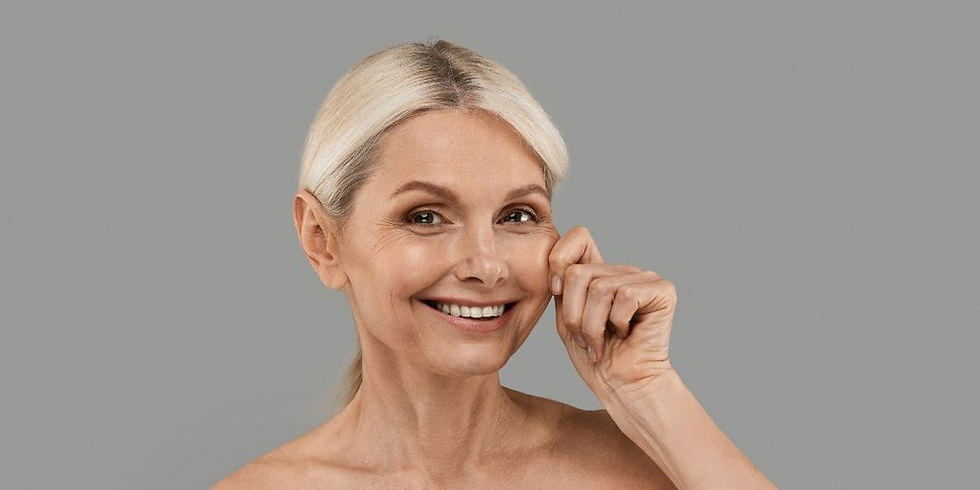
Can Collagen Production Be Increased Naturally?
While ageing cannot be stopped, there are several ways to support healthy collagen production.
Eat a Nutrient-Rich Diet
Foods that support collagen synthesis include:
Citrus fruits
Berries
Leafy green vegetables
Eggs
Fish
Lean meats
Nuts and seeds
Vitamin C is particularly important because it is essential for collagen formation.
Protect Your Skin from UV Damage
Consistent sunscreen use helps prevent premature collagen breakdown caused by sun exposure.
Prioritise Sleep
During sleep, the body repairs tissues and supports cellular regeneration processes, including collagen production.
Stay Hydrated
Proper hydration supports overall skin function and helps maintain a healthy skin barrier.
Avoid Smoking
Smoking accelerates collagen loss and contributes significantly to premature ageing.
Which Aesthetic Treatments Stimulate Collagen Production?
In recent years, aesthetic medicine has increasingly focused on treatments that stimulate the body's own regenerative processes rather than simply masking signs of ageing.
Several treatments can encourage collagen production and improve overall skin quality.
Polynucleotides
Polynucleotides have become one of the most talked-about regenerative treatments in aesthetics.
They work by stimulating fibroblasts—the cells responsible for producing collagen and elastin—while also supporting tissue repair and hydration.
Sunekos
Sunekos combines amino acids and hyaluronic acid to stimulate collagen and elastin production while improving hydration and skin quality.
It is particularly popular for delicate areas such as the under-eye region.
Skin Boosters
Skin boosters improve hydration and skin quality while supporting healthier-looking skin overall.
Our article on skin boosters explains their benefits in greater detail: https://www.donnybrookclinic.com/post/skin-boosters-ten-powerful-benefits
Medical Facials
Professional skin treatments can complement collagen-stimulating procedures by improving skin health and supporting ongoing rejuvenation.
One popular option is:https://www.donnybrookclinic.com/aqua-3-hydrafacial

How Long Does It Take to Build New Collagen?
One of the most important things to understand about collagen stimulation is that results take time.
Unlike treatments that provide immediate volume or surface improvements, collagen production occurs gradually.
Many patients begin noticing improvements in skin quality within a few weeks, but the most significant changes often become visible over several months as collagen remodelling continues.
This gradual process is one reason collagen-stimulating treatments tend to produce natural-looking results.
Is Collagen Stimulation Better Than Traditional Anti-Ageing Treatments?
There is no single "best" treatment for everyone.
However, collagen stimulation offers a fundamentally different approach to skin rejuvenation.
Rather than simply concealing signs of ageing, collagen-stimulating treatments aim to improve the underlying health and structure of the skin.
This regenerative approach has become increasingly popular among patients seeking:
Natural-looking results
Long-term skin improvement
Preventative anti-ageing strategies
Better skin quality rather than dramatic change
For many people, collagen stimulation forms part of a comprehensive approach to healthy ageing.
The Future of Skin Rejuvenation
The aesthetic industry is moving increasingly towards regenerative medicine and treatments that support the body's natural healing processes.
Collagen stimulation sits at the centre of this shift. As research continues to evolve, treatments that encourage natural collagen production are likely to play an even greater role in helping patients achieve healthier, stronger and more youthful-looking skin.
Final Thoughts
Collagen is one of the most important building blocks of healthy, youthful skin. While collagen production naturally declines with age, understanding the factors that influence collagen loss can help you take proactive steps to protect and support your skin.
From healthy lifestyle habits to advanced regenerative treatments such as Polynucleotides and Sunekos, there are now more options than ever for encouraging collagen production and improving long-term skin health.
The key is not simply to chase quick fixes, but to focus on supporting the skin's natural ability to repair, regenerate and maintain itself over time.


This article is very well written and reads pleasantly from start to finish. The concepts are explained gradually and are easy to follow. I saved the link to share it with those who might find it useful. It is a well-made text that answers many questions on the topic.
This text addresses the topic in a thorough and detailed manner. I found the way the main points are highlighted useful. I took notes on some of the points that seemed particularly relevant. It is a balanced article that addresses the topic in a complete way.